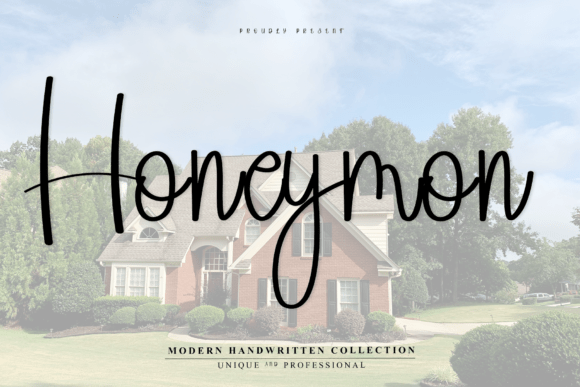
Honeymon Font: Warm, Handwritten Style
There’s something about the way Honeymon flows across a page that feels like a friendly note from a friend. I was designing a set of candle labels the other day, and I knew right away that this font would bring the perfect balance of personality and polish to my shop’s branding. It’s not just a font—it’s a creative companion for makers who want their work to feel authentic and inviting.
With its smooth strokes and natural curves, Honeymon captures the essence of real handwriting without the mess. It’s got a soft, approachable vibe that works well for everything from greeting cards to product packaging. I’ve used it on seasonal signs, wedding invitations, and even printable wall art, and each time it adds a touch of warmth that makes the design feel more personal.
Using Honeymon in Real Projects
One of my favorite ways to use Honeymon is on handmade labels. Whether it’s for candles, soaps, or small-batch products, the font gives a tactile, artisanal feel that customers love. I often pair it with a clean sans serif for contrast, which helps keep the design from feeling too busy. The result is a look that’s both modern and cozy—a perfect fit for boutique shops and online stores.
I also use Honeymon for printable templates. When creating digital downloads, I like to add a handwritten touch to headings and titles. It makes the content feel more engaging and less generic. For example, I designed a set of planner pages with Honeymon for the month names and weekly goals. The font added a playful yet professional edge that made the whole template feel more dynamic.
When working on holiday tags or gift wrap, Honeymon shines as a display font. Its flowing style is ideal for short phrases like “Merry Christmas” or “Happy Birthday.” I’ve used it on sticker sheets and custom labels, and it always stands out without overwhelming the design. It’s also great for farmhouse-style signs, where the casual, organic look fits perfectly.
Designing with Honeymon
One thing I’ve learned is that Honeymon works best for short phrases and decorative text. It’s not the best choice for long paragraphs, but when used strategically, it can elevate any project. I often use it for headlines, titles, and accents—things that need a bit of character but don’t require strict readability.
For example, I created a set of wedding welcome boards using Honeymon for the guest names and ceremony details. The font added a romantic, personal touch that complemented the overall aesthetic. It also worked well on printable invitations, where the handwritten feel helped convey a sense of care and attention to detail.
When designing for physical products, like mugs or tote bags, I make sure to test how Honeymon looks at different sizes. It holds up well on small stickers and labels, but I always check the spacing and legibility before finalizing the design. For larger formats, like signage or packaging, the font really comes into its own, adding a unique visual identity to the brand.
Pairing Honeymon with Other Fonts
Font pairing is an important part of the design process, and Honeymon pairs beautifully with a variety of styles. I often go for a simple serif or sans serif to balance its organic shape. This creates a clean, professional look that still feels warm and approachable.
For more dramatic designs, I might pair Honeymon with a bold display font or another script. This can help create a layered, textured effect that draws the eye. But I always keep it simple—too many fonts can make a design feel cluttered and unprofessional.
Another tip is to experiment with different weights and styles. Honeymon usually comes with multiple options, including regular, bold, and swash variations. These can be used to add depth and interest to a layout without sacrificing clarity.
Considerations for Commercial Use
If you’re planning to sell products that use Honeymon, it’s important to check the licensing terms. Make sure the font allows for commercial use, especially if you’re creating physical items, printables, or digital downloads. Some fonts have restrictions on resale or modification, so it’s always good to double-check before finalizing your design.
Also, consider the file formats you’ll need. Honeymon is likely available in common formats like OTF or TTF, which are compatible with most design software. If you’re using it for SVG projects or Cricut cuts, make sure the font is properly converted and tested for accuracy.
Finally, don’t forget about multilingual support. If you’re targeting international markets, ensure that the font includes characters for the languages you’ll be using. This can save a lot of headaches down the line and help maintain a consistent brand image.
Whether you’re making handmade labels, designing printable wall art, or creating seasonal merchandise, Honeymon offers a versatile, expressive option that adds character to your work. It’s a font that feels like it was made for crafters, by crafters—perfect for those who want to infuse their creations with a little extra warmth and personality.